















You are browsing the UK site. Visit our US site.

You are browsing the US site. Visit our UK site.
You are browsing the US site. Visit our Rest of World site.
You are browsing the UK site. Visit our US site.
You are browsing the US site. Visit our UK site.
You are browsing the US site. Visit our Rest of World site.
You are browsing the UK site. Visit our US site.
You are browsing the US site. Visit our UK site.
You are browsing the US site. Visit our Rest of World site.

 Family Holidays
Our team is full of family travellers, meaning we know what it takes to make sure everyone enjoys the experience just as much as each other.
 Couples Holidays
Our couple itineraries are paced perfectly for you to enjoy the very best a country has to offer whilst making sure you enjoy the quality time together you’re after.
 Group Holidays
No matter what the size or the occasion, we’re well versed in taking larger groups of people away for those special adventures.
 Honeymoons
We’ve been crafting dream itineraries for newly married couples for years. Learn more about the ins and outs of our honeymoon service here.
 Multi Generational Trips
From very small to very big. Families come in all shapes and sizes, and our multi-generational holidays are perfectly designed to tick the boxes for the whole family.
 Anniversary Trips
Whether you’re celebrating as a couple, or across multiple generations, our anniversary trips are crafted around the milestone – and the people sharing it.
 Travel With Teens
This is a list of the very best places to travel with teenagers – one that’s crammed with bragging rights (for them) and bonding moments (for you).
 Grown Up Family Holidays
As your children become adults, your family trips are also due to change and grow. These are our favourite trips for you and your grown up family.
 Solo Holidays
Our travel experts have experienced the thrills and challenges of solo travel, all with the aim of producing some of our most immersive and exciting itineraries.
 View All
 Culture & HeritageExplore historic places, living heritage and the stories that shaped them.
 Ethnic Cultures & TraditionsDiscover local communities, cultural traditions and ways of life.
 Nature & LandscapesExplore remarkable landscapes and the beauty of the natural world.
 Hiking & TrekkingFollow scenic trails through mountains, valleys and open countryside.
 Wildlife & BirdwatchingDiscover wildlife and birdlife in their natural surroundings.
 Photography ToursCapture inspiring landscapes, local life and memorable moments.
 Food & Culinary ExperiencesExplore regional flavours, local ingredients and culinary traditions.
 Tea & Coffee CultureDiscover tea and coffee through local places, people and traditions.
 Muslim-Friendly TravelExplore travel experiences with Muslim-friendly arrangements in mind.Festivals & CelebrationsExperience local festivals, seasonal gatherings and cultural celebrations.Wellness & RetreatsMake time for rest, wellbeing and peaceful surroundings.
 Cycling & Scenic DrivesExplore scenic routes by bicycle or on a memorable road journey.Arts & Traditional CraftsDiscover local artistry, traditional skills and handmade crafts.Spiritual & Sacred PlacesExplore sacred sites, spiritual traditions and places of reflection.
Or filter further
Explore our inspiring experiences based on when you want to travel and how you want to feel.
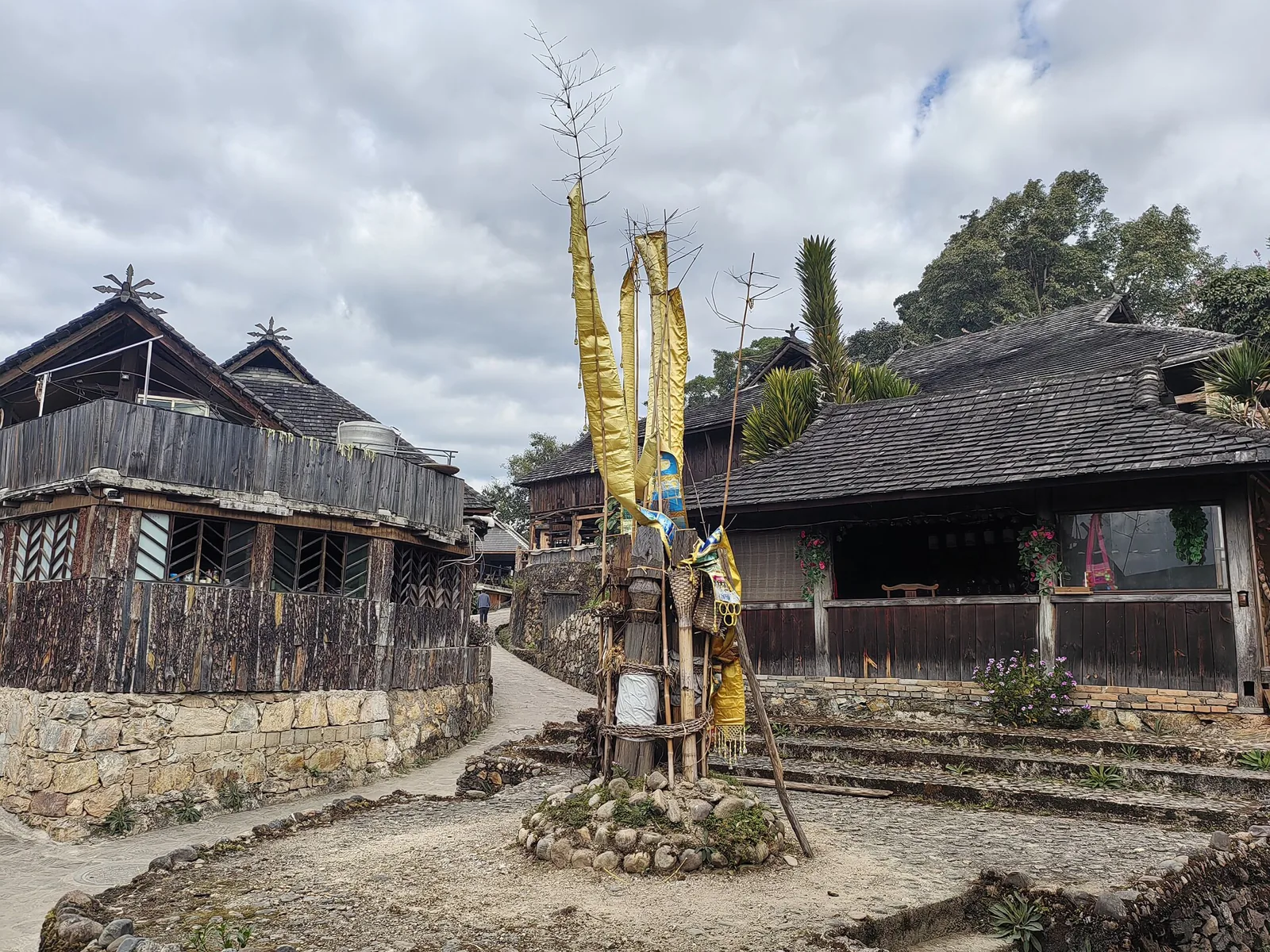
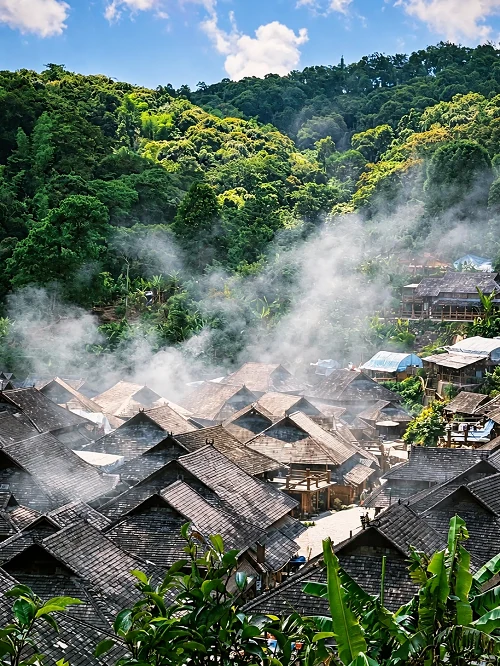
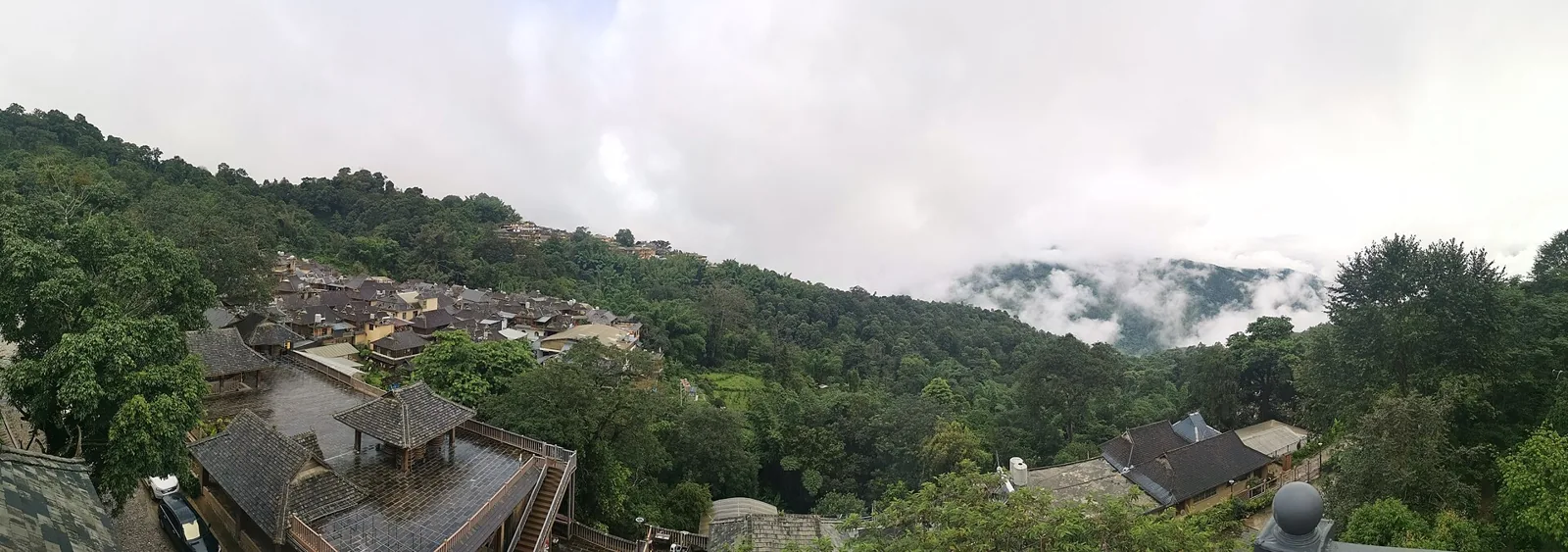
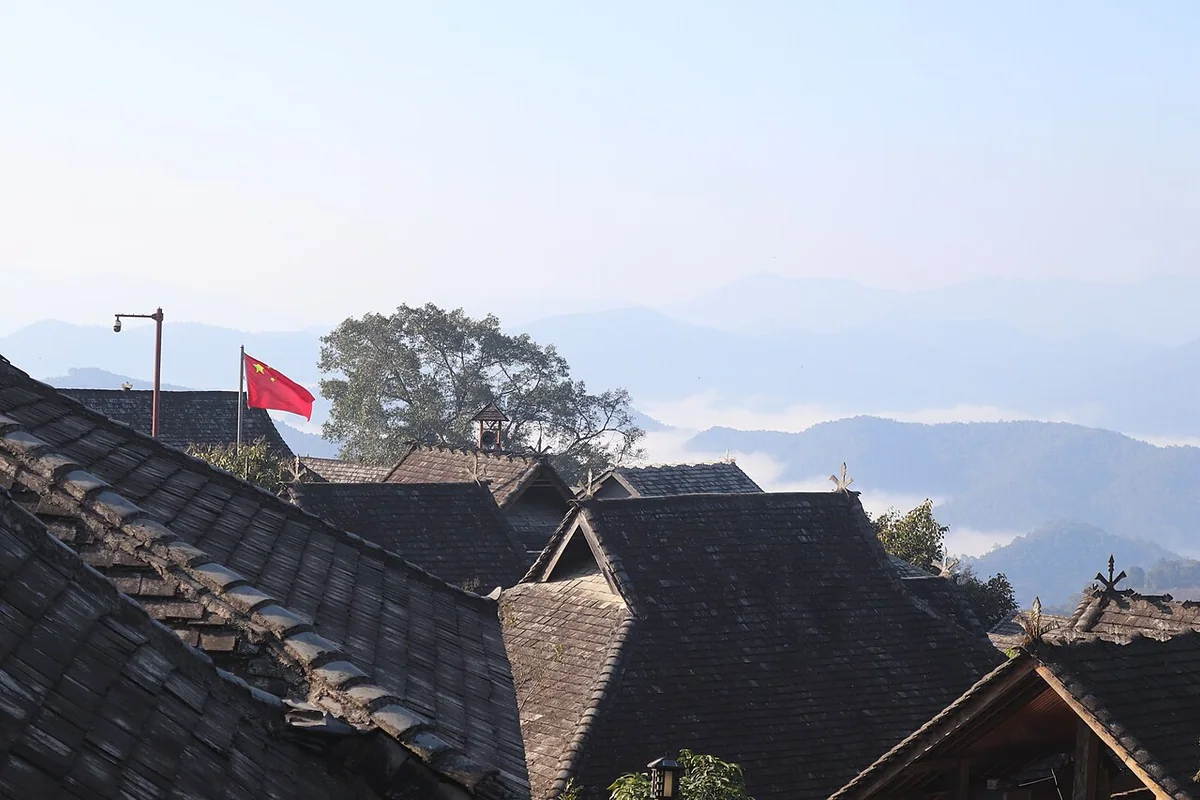
Jingmai's Dai and Blang villages form part of a UNESCO-recognised system linking settlements, old tea groves and protective forest.
Dai and Blang settlements is one focus for a visit to Jingmai Tea Villages. Jingmai's Dai and Blang villages form part of a UNESCO-recognised system linking settlements, old tea groves and protective forest. Choose public visitor areas and give this part of the journey enough time rather than fitting it between distant stops.

Build the details around your dates, arrival point and preferred pace.
Ideas rooted in this destination, with local access and timing confirmed around your dates.
Dai and Blang settlements is one focus for a visit to Jingmai Tea Villages. Jingmai's Dai and Blang villages form part of a UNESCO-recognised system linking settlements, old tea groves and protective forest. Choose public visitor areas and give this part of the journey enough time rather than fitting it between distant stops.
Enquire Now
A closer look at Jingmai Tea Villages can include traditional tea cultivation. Choose a small number of villages and allow time for road links and resident-hosted visits. A local host or guide can help explain the setting without rushing through it.
Enquire Now
Forest-village relationships adds another perspective on Jingmai Tea Villages. Jingmai's Dai and Blang villages form part of a UNESCO-recognised system linking settlements, old tea groves and protective forest. Keep time for observation, photographs and a meal in the local area.
Enquire Now
Dai and Blang settlements is one focus for a visit to Jingmai Tea Villages. Jingmai's Dai and Blang villages form part of a UNESCO-recognised system linking settlements, old tea groves and protective forest. Choose public visitor areas and give this part of the journey enough time rather than fitting it between distant stops.
Enquire Now
A closer look at Jingmai Tea Villages can include traditional tea cultivation. Choose a small number of villages and allow time for road links and resident-hosted visits. A local host or guide can help explain the setting without rushing through it.
View Itinerary
Forest-village relationships adds another perspective on Jingmai Tea Villages. Jingmai's Dai and Blang villages form part of a UNESCO-recognised system linking settlements, old tea groves and protective forest. Keep time for observation, photographs and a meal in the local area.
View ItineraryJingmai's Dai and Blang villages form part of a UNESCO-recognised system linking settlements, old tea groves and protective forest.
Jingmai's Dai and Blang villages form part of a UNESCO-recognised system linking settlements, old tea groves and protective forest.
Dai and Blang settlements is one focus for a visit to Jingmai Tea Villages. Jingmai's Dai and Blang villages form part of a UNESCO-recognised system linking settlements, old tea groves and protective forest. Choose public visitor areas and give this part of the journey enough time rather than fitting it between distant stops.
A closer look at Jingmai Tea Villages can include traditional tea cultivation. Choose a small number of villages and allow time for road links and resident-hosted visits. A local host or guide can help explain the setting without rushing through it.
Forest-village relationships adds another perspective on Jingmai Tea Villages. Jingmai's Dai and Blang villages form part of a UNESCO-recognised system linking settlements, old tea groves and protective forest. Keep time for observation, photographs and a meal in the local area.
The cooler dry-season months suit many village and forest visits. Tea harvesting, mist and flower displays vary by elevation and the farming calendar. Choose a small number of villages and allow time for road links and resident-hosted visits.
Use Jingmai Mountain as the local planning base. This suggested visit allows 3 days in the area; travel from elsewhere in Pu'er is additional. Confirm road, rail or flight connections for your actual arrival point and arrange the final local transfer before departure.
Choose accommodation in or near Jingmai Mountain to suit the departure point and walking plans. For a day outing, confirm the return transfer in advance; longer journeys work better with a local overnight base. Specific properties and availability are confirmed with your quotation.
Choose a small number of villages and allow time for road links and resident-hosted visits. Share your dates, mobility needs and interests when enquiring about Jingmai Tea Villages. A guide, vehicle, tickets, meals and accommodation can be quoted separately according to the final plan.
Jingmai Tea Villages is part of a lived-in or protected landscape. Use public routes, ask before entering homes or working land, and follow local guidance around religious buildings, wildlife and heritage. Choose a small number of villages and allow time for road links and resident-hosted visits.
Continue with the Jingmai Tea Villages itinerary for a suggested schedule and a direct enquiry. Jingmai's Dai and Blang villages form part of a UNESCO-recognised system linking settlements, old tea groves and protective forest.
Jingmai's Dai and Blang villages form part of a UNESCO-recognised system linking settlements, old tea groves and protective forest.
Dai and Blang settlements is one focus for a visit to Jingmai Tea Villages. Jingmai's Dai and Blang villages form part of a UNESCO-recognised system linking settlements, old tea groves and protective forest. Choose public visitor areas and give this part of the journey enough time rather than fitting it between distant stops.
A closer look at Jingmai Tea Villages can include traditional tea cultivation. Choose a small number of villages and allow time for road links and resident-hosted visits. A local host or guide can help explain the setting without rushing through it.
Getting to know Jingmai Tea Villages
Jingmai's Dai and Blang villages form part of a UNESCO-recognised system linking settlements, old tea groves and protective forest.
Dai and Blang settlements
Dai and Blang settlements is one focus for a visit to Jingmai Tea Villages. Jingmai's Dai and Blang villages form part of a UNESCO-recognised system linking settlements, old tea groves and protective forest. Choose public visitor areas and give this part of the journey enough time rather than fitting it between distant stops.
Traditional tea cultivation
A closer look at Jingmai Tea Villages can include traditional tea cultivation. Choose a small number of villages and allow time for road links and resident-hosted visits. A local host or guide can help explain the setting without rushing through it.
Stays near Jingmai Mountain
Choose your local base
Accommodation for your dates
The cooler dry-season months suit many village and forest visits. Tea harvesting, mist and flower displays vary by elevation and the farming calendar.
Jingmai's Dai and Blang villages form part of a UNESCO-recognised system linking settlements, old tea groves and protective forest. Look for dai and blang settlements, traditional tea cultivation, forest-village relationships.
The sample local itinerary allows 3 days. Travel to and from Jingmai Mountain is additional; a longer regional journey can be arranged.
Plan around Jingmai Mountain as the local base and confirm your arrival point, road conditions and final transfer before travel. Choose a small number of villages and allow time for road links and resident-hosted visits.
Choose a small number of villages and allow time for road links and resident-hosted visits.
This is a suggested journey rather than a fixed-price departure. Ask for a quotation covering the guide, transfers, accommodation and admissions you choose. Background references: UNESCO: Jingmai Mountain tea landscape · Yunnan: Pu’er county destination guide